
Skin type depends on genetics, age, hormone levels, diet, stress, and physical activities. Secondary factors include the weather, sun exposure, and pollution. It is easy to get pulled into a cycle of endless trends and suggestions, but a put-together, consistent routine will help you reach your skin goals faster.
A minimalistic daily skincare routine takes no time, is affordable, caters to weather requirements, and is also backed by scientific research that helps create stronger, healthier skin. In this guide, I cover skincare steps, how to build a Simple Skincare Routine with simple skincare products, and how to sustain healthy skin for a long time.
How to Build a Simple Skincare Routine? Beginner-Friendly Steps
A basic daily skincare routine involves cleansing, toning, and using a moisturizer. The final step to this routine is sunscreen, which is non-negotiable, especially if you are going outside.
Now I’ll take you through each of these steps in detail so you can start a simple and basic skincare routine and build it up slowly over time.
Here is how to build a simple skincare routine:
Step 1: Cleansing
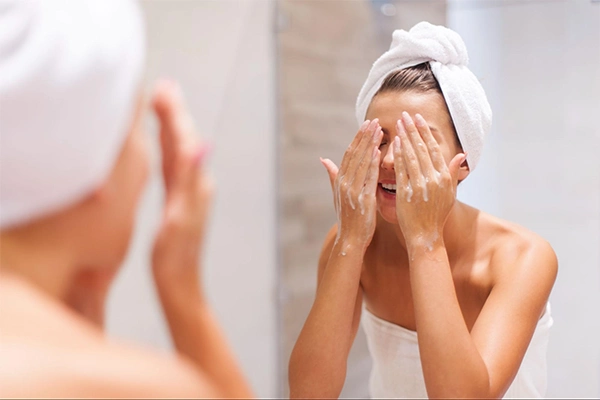
It is suggested to use a gentle, hydrating cleanser twice per day, breaking down once in the morning and once at night. Lukewarm water works best to clean your face, since hot water can cause redness and irritation, while cold water can make the skin too dry.
Use your fingertips to massage the cleanser for 30-60 seconds instead of things like scrubbers, washcloths, and brushes. For a complete cleanse, you can try salicylic acid and LHA based cleansers. These reduce sebum and acne, and zinc in this product helps soothe acne pain.
Step 2: Toning
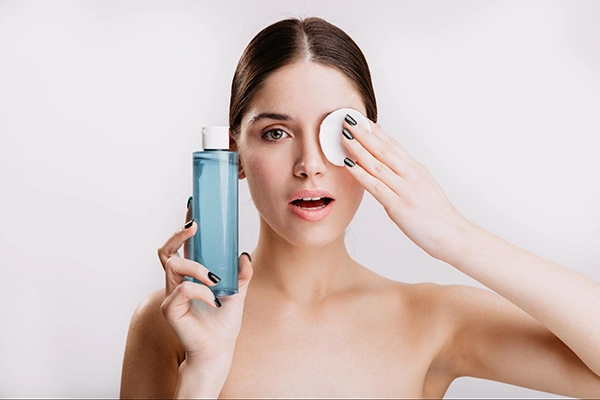
Use a toner twice a day to remove residual dirt, oil, and dead skin cells.
Take 2-5 drops in your hand and apply them to your face. Apply it to different areas of your face and leave it for a couple of minutes, or gently swipe it across your face with a cotton pad. To achieve an even skin tone, you can use Niacinamide Alcohol-Free Face Toner with rice water. It helps tighten pores, reduces blemishes, and brightens the skin.
Step 3: Moisturizer
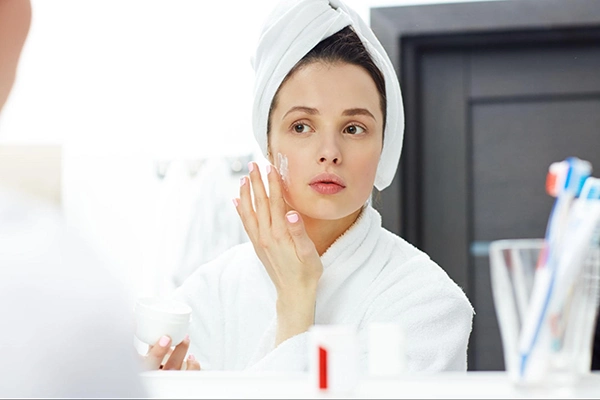
Use a moisturizer twice a day, especially after a bath, shaving, or exfoliation. Look for products that have emollients, humectants, and occlusives that hydrate, soften, and protect the skin. For combination skin like mine, or people with sensitive skin, a gentle moisturizer with Hydrating properties works really well. It doesn’t clog my pores and hydrates the dry parts of my face properly.
Step 4: Sunscreen
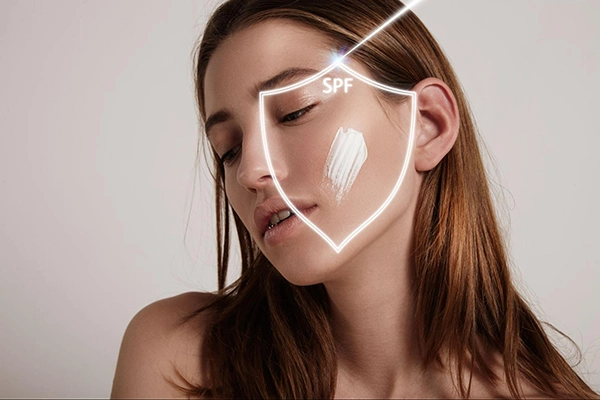
Sunscreen is the final step in your skincare routine. Apply it every two hours and daily. Use two finger-lengths’ worth of sunscreen and gently rub it onto your face and neck. Wait at least 15 minutes after applying it before you step outside. If you wish to fight stubborn tanning and lighten dark spots, use SPF 50+ or above’s sunscreen. This is a lightweight, fast-absorbing, and odorless sunscreen that blends well.
Avoid products that leave a white cast, and wash it off thoroughly at the end of the day, because it can clog pores.
An additional step after applying toner can be a serum. Facial serums help with specific skin needs. Active ingredients like hyaluronic acid and niacinamide help reduce the appearance of acne, blemishes, and fine lines. However, this is a skippable step for those with sensitive skin.
How to Identify Your Skin Type?
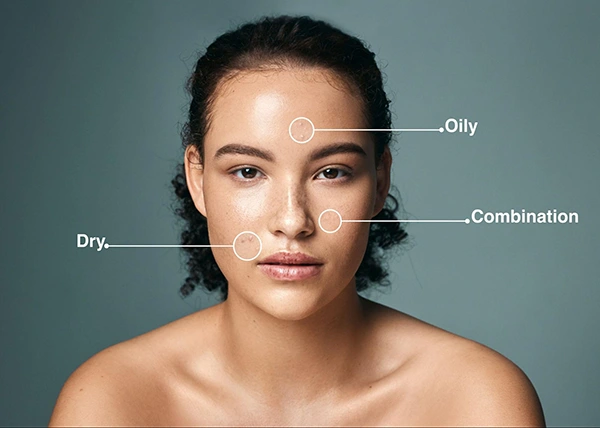
Every individual has a skin type that reacts differently to external conditions, internal workings of the body, and topical products that one might use.
They are dry, oily, normal, combination, and sensitive. To find your skin type, perform the bare-faced test, a standard technique recommended by skin specialists to figure out skin needs and create a personalized daily skincare routine. You can decide which skincare products to use according to dermatologist skincare tips.
Let me explain all the different skin types in detail.
1. Dry Skin

Dry skin, or xerosis, has many signs, such as itchiness, roughness, tightness followed by stinging or burning, and flakiness/scaly texture that cracks and might bleed. Fine lines appear quickly; dryness looks a little red on fair skin and grayish on brown skin.
2. Oily Skin

Oily skin looks greasy, specifically around the forehead, nose, and chin. This skin type comes with large pores, acne breakouts, blackheads, and whiteheads due to high sebum production.
3. Normal Skin

A normal skin type is not overly dry or too oily. They have fewer breakouts or blemishes, the skin texture is mostly smooth, and they have smaller pores. The skin reacts well to skincare products and looks healthy without much effort.
4. Combination Skin

Skin feels oily in the T-zone area but looks dry around the cheeks. Some areas have enlarged pores with acne breakouts, whiteheads, and blackheads, while other parts look red and dry, with smaller pores, accompanied by tightness and flakiness.
5. Sensitive Skin

Sensitive skin has rashes, blisters, bumps, patchy or peeling skin, with a flaky texture and, most commonly, skin discoloration. This skin type also tends to break out into hives often and may give a burning, stinging, itchy, or tingling sensation.
Morning and Nighttime Skincare Routine
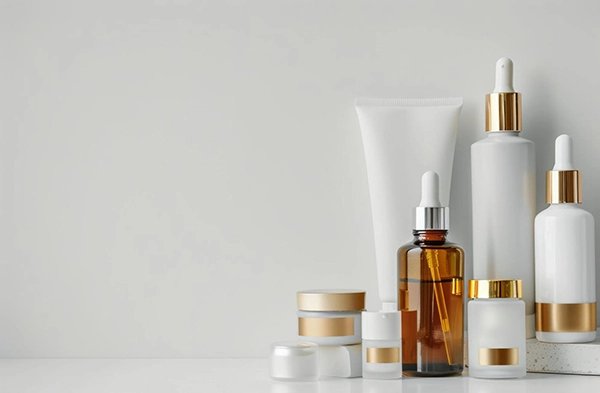
Skincare basics for a morning routine usually focus on protecting the skin, while a nighttime routine prioritizes repair. For example, there is no need for double cleansing in the morning, since the skin produces natural oils and sheds dead skin cells; therefore, a simple routine works. Double cleansing becomes important in the evening since your skin has makeup on it and has been exposed to impurities and pollution.
Both routines have a number of steps, so let us take a look at all the skincare basics that are a must in your daily skincare routine.
| Morning Routine | Nighttime Routine |
|
|
|
|
|
|
|
|
|
|
Common Skincare Mistakes to Avoid
Certain skincare mistakes are known to damage your barrier and sometimes even lead to serious skin issues. Some of these are: over-exfoliating, layering too many active ingredients, popping pimples and picking at your skin, skipping SPF, not using medical-grade products, following too many trends, and wearing makeup to bed.
Now let me take you through all these aforementioned mistakes in detail and discuss practical solutions.
Mistake 1: Over-exfoliating
Going overboard with facial scrubs such as chemical exfoliants can strip the skin’s natural protective barrier, which leads to redness, breakouts, sensitivity, and microtears in the outermost layer of the skin. This barrier disruption can cause premature aging, inflammation, and increased risk of hyperpigmentation, among other skin problems like eczema and rosacea.
Solution: Exfoliate gently 1-3 times a week, depending on your skin type. Products containing lactic acid and PHA are suggested.
Mistake 2: Layering Too Many Active Ingredients
Combining strong activities like retinol and chemical exfoliators can overwhelm skin and lead to irritation or even chemical burns. Over time, this makes the skin barrier weak and causes chronic inflammation and prolonged sensitivity.
Solution: Just use one active ingredient at night, see how your skin reacts, and do not use exfoliating products with retinol on the same night.
Mistake 3: Popping Pimples and Picking at Your Skin
Popping a zit causes trauma and inflammation, which can drive the bacteria deeper into the skin. It can also lead to discoloration and scarring, specifically for people with darker skin who have to deal with post-inflammatory hyperpigmentation.
Solution: Put pimple patches on these spots as a treatment to prevent yourself from touching the area.
Mistake 4: Skipping SPF
Skipping sunscreen leads to sunburn and premature aging and increases the risk of skin cancer. Unprotected skin gets exposed to UVB rays, causing painful inflammation and burns even on cloudy days. The freckles darken, melasma gets activated, and it creates an uneven skin tone.
Solution: Sunscreen is essential in your daily skincare routine year-round and regardless of the weather conditions, even if you are indoors. Use a mineral or chemical formula to delay the signs of photoaging.
Mistake 5: Not Using Medical-Grade Products
Over-the-counter or cosmetic products have weaker active ingredients and take longer to resolve stubborn skin issues like severe acne. Hidden formulas can trigger skin dermatitis and increase the risk of adverse reactions. Moreover, they are a waste of money.
Solution: Use medical-grade options that are safer, more effective, and backed by scientific research.
Mistake 6: Following Too Many Trends
Social media trends often show tons of skincare steps that clash with each other, strip natural lipids, cause micro-tears, and make the skin highly reactive. DIY remedies like lemon juice/baking soda result in a surge of skin allergies and ultimately set unrealistic standards for beauty.
Solution: Do not take advice from a non-M.D. on social media. Dermatologist skincare tips work best in this case.
Mistake 7: Wearing Makeup for Bed
Makeup, dirt, sweat, and oil leave a film over your face that can clog and lead to acne breakouts, irritation, and dullness. Due to this habit, you are also missing out on the opportunity to cleanse and nourish your skin at night with moisturizing and wrinkle-tackling ingredients, since gunk prevents absorption.
Solution: Always take a few minutes to remove your makeup, all day’s impurities, and cleanse your face before bedtime as a part of your skincare basics.
Final Thoughts
A good skincare routine is not extensive, nor is it defined by how many or how expensive your products are. Choose the right ingredients, and stay consistent. Look out for bad skincare habits to protect your skin from long-term damage.
Dermatologist skincare tips address your skin concerns best with a customized routine for your skin type. Staying informed and unfollowing social media trends helps you create a routine that repairs, protects, and shows you how healthy your skin can get.
FAQs
What are the 5 basics of skincare?
The 5 basic skincare steps involve cleansing, toning, serum, moisturizer, and sunscreen lotion. Skincare routines vary from person to person, depending on their skin type, so the basics should be as per your needs.
Which two serums cannot be used together?
Avoid using a retinol serum and AHA/BHA (chemical exfoliants/peels) at the same time. These ingredients speed up skin cell turnover, causing over-exfoliation and stripping the skin of natural oils. This damages the barrier and causes severe redness, flaking, and irritation. These two skincare products are not to be used daily.
How do I get glass skin?
To get glass skin, you need deep hydration, gentle exfoliation, and consistency. This requires double cleansing and a mild chemical exfoliant, like lactic acid or salicylic acid, to clear skin cells. Apply a hydrating toner and seal it with a moisturizer. Finish your routine with a sunscreen.
What skincare step should you never skip?
Sunscreen is the step that you should never skip. It prevents premature aging, sunburns, and skin cancer. A film is created over your face that protects your face from the harsh UVB rays that might cause burns and uneven skin tone over time.
What ingredients should I avoid in skincare?
Avoid synthetic fragrances like parfum because they can cause contact dermatitis, redness, and rashes. Ethanol and isopropyl alcohol strip natural moisture and dehydrate the skin, while harsh sulfates over-cleanse.
Sources: